The culture — eighty years of films, two hundred of writers, sixty of records
Written largely by addicted people. Increasingly read, watched and listened to by addicted people. About the same handful of substances and behaviours the rest of this site has been arguing about. The willpower frame asks whether culture made it better or worse. The wrong question. The culture has done one thing across all three forms, repeatedly: it has shown the doctors what addiction looks like from inside, in a register the doctors couldn't use. Kermode reads the films through the same lens.
Reflect, mostly. Sometimes cause. The page names which.
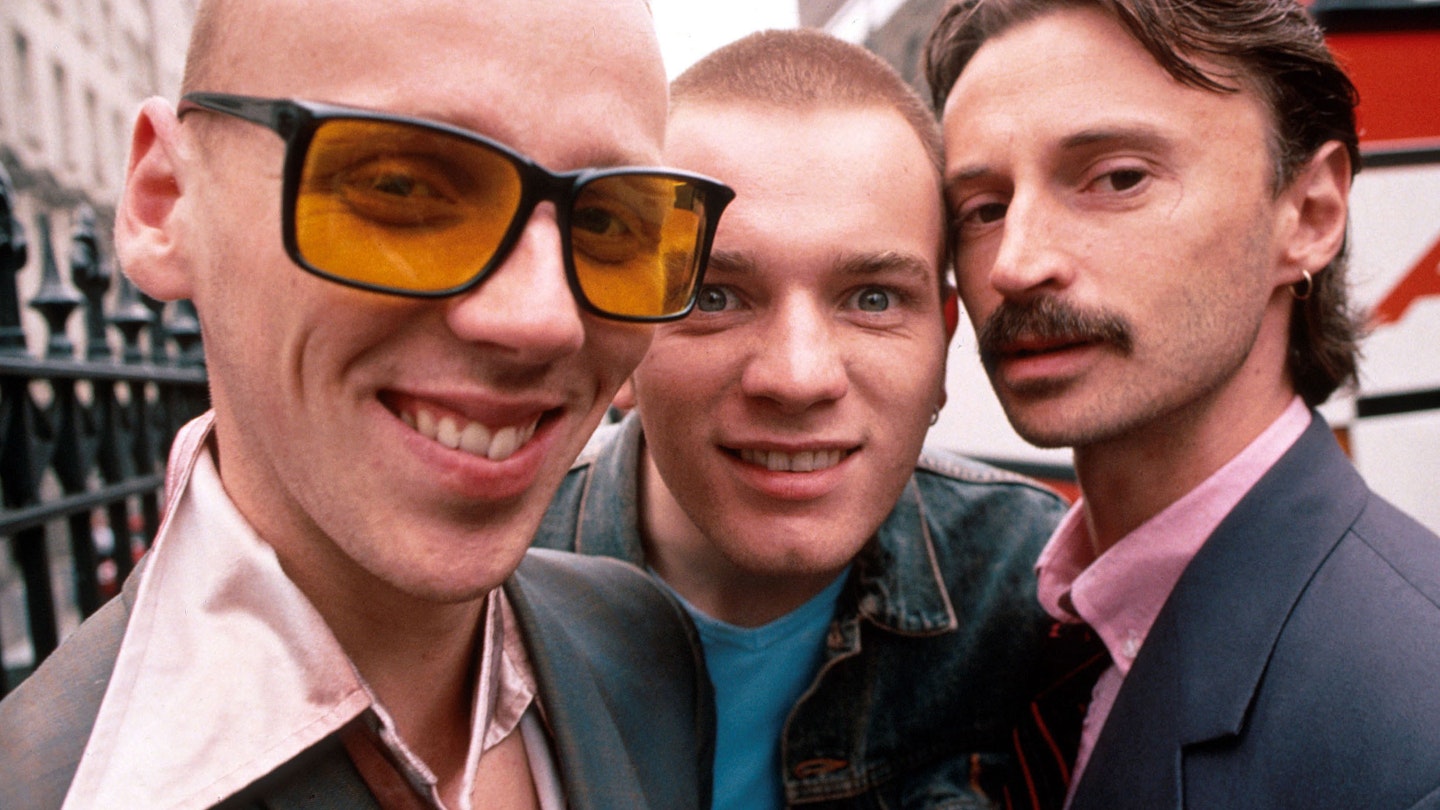
Most of the time culture is the mirror. Lou Reed wrote Heroin from inside the habit in 1967. William Burroughs wrote Junky from inside his in 1953. Welsh wrote Trainspotting in 1993 about a Leith that had already been heroin-dependent for a decade. The literature, film and music document what the doctors and the regulators won't name. They are the audit.
Sometimes culture shifts the curve. UK teenage smoking did not fall because of the legislation, or not mostly. It fell because cigarettes stopped being cool. Cocaine use rose in the 1980s in lockstep with how the films portrayed it — Scarface, Wall Street, Less Than Zero. Same mechanism, opposite direction. The page below names which case is which — with Mark Kermode on the films and Julie Burchill on the self-control side.
UK teen smoking didn't fall because of the law. It fell because it stopped being cool.

The UK teenage smoking rate dropped from 23 per cent (1996) to under 5 per cent by 2023. Smoking-cessation researchers spent twenty years giving credit to the smoking ban (2007), the display ban (2015), and plain packaging (2016). The legislation accelerated a curve that was already falling. The curve was already falling because the culture had been quietly demolishing the social cost of refusing a cigarette since the mid-1990s.
The mechanism is well-documented and uncomfortable for the public-health frame. Hollywood pivoted in the early 1990s — Tom Hanks visibly quit on screen, the cool-villain-smokes shorthand collapsed, Disney banned smoking in any non-historical title (2007). Hip-hop pivoted in the late 2010s from Newport-themed verses to wellness culture — Kendrick on the cleanse, Drake's drink-water bars. Instagram's nudity-and-firearms moderation rules penalised tobacco imagery algorithmically; the influencers and lifestyle accounts that drive teenage social perception stopped showing it. By the time the legislation arrived, the culture had already done most of the work.
This is the cleanest live case for the culture-as-cause direction. It is not the dominant direction; the page above gives the dominant direction (reflection). But it exists. Naming when it exists is the work.
Two cultures, two different drugs.

Black US culture and white UK culture sit on the same dopaminergic species, listening to different soundtracks, with different drugs glorified in different registers and to different ends. Naming the difference is uncomfortable across both political tribes and has therefore mostly not been done. The page does not flinch from it.
The Black-American mainstream tradition has been substance-positive since the genre-foundational records of the 1960s. Sly Stone on uppers, the funk era on cocaine, gangsta rap on chronic and gin, Three 6 Mafia on codeine (the founding text of the lean economy), trap on percs and Xanax. Snoop Dogg's brand arc from Doggystyle (1993, chronic-foregrounded) to Just Eat smoothies (2024) is the whole shape in one career. The cultural function: substance as autonomy claim against a state apparatus that has criminalised the affected community at order-of-magnitude over-representation. To deny the substance is, in this register, to assent to the policing.
The white-British comedown register is the opposite shape. Britpop's 1995–98 cycle — Pulp's Sorted for E's & Wizz, Oasis's Champagne Supernova, the Verve's The Drugs Don't Work — is a literature of fatigue. The chemistry is named without glamour. The hangover is the song. White-British rave culture absorbed the same chemistry but exited it with a different vocabulary — wellness, sobriety-as-status, the Soft Drink Era after 2018. Hip-hop's overdose deaths (Lil Peep, Mac Miller, Juice WRLD, Pop Smoke) hit Britpop's children as cautionary tale, not autonomy claim.
Both registers are real responses to real lived conditions. Neither maps cleanly onto the willpower frame. Both contradict the policy assumption that culture is downstream of substance use. The two cultures are substantially producing the substance use, not following it — and the producers are different in each tribe. The white critic who names this is doing something different from the Black critic who names this. Both are inside the page's argument.
The code words. What songs hide.
Music names what doctors and regulators cannot. It names it in code so the radio plays the song. The code is the second-order register the analyst has to learn to read the addiction history of the last half-century.
Lean / purple drank / sizzurp / mud. Codeine plus promethazine in soft drink. Originated in Houston in the late 1980s. DJ Screw, Three 6 Mafia, Lil Wayne. The Wikipedia entry for "purple drank" lists 24 named artist deaths or dependencies from the chemistry. The genre cannot name codeine on the radio; the songs are about lean.
Percs / blue · Xanax / Xans / bars · Molly · white widow · zaza. Each is a marketing term the music industry can use that the FDA cannot. Each names a real chemistry. Each substitutes for the clinical term in the lyrics. The DSM cannot describe what a perc-30 lyric is doing; the lyric describes it in operational terms — what the user is doing, what comes next, who dies. The literature is the field manual. The policy frame has spent forty years arguing about whether to ban the word.
The Drugs Don't Work · the white-British register. The Verve, 1997. Richard Ashcroft writing about his father dying of cancer with the chemistry too far gone to matter. The song was misread for thirty years as a generational comedown anthem. It was a death song. The misreading is the cultural mechanism — the song became autonomous of its original referent and named the comedown of an entire UK pill-rave-era cohort. The chemistry the song points at is opiate; the chemistry the cohort heard it through is MDMA. The audit was operating in two registers at once.
Julie Burchill — the self-control steelman, in her own voice
I took cocaine for thirty years and walked off it overnight. I am not a saint and I am not a moralist. I am a working journalist who happens not to be an idiot. There is no addiction here. There is a habit, and there is the day you decide not to have the habit any more, and the rest is rhetoric.— Julie Burchill, "My 30-year cocaine habit was a cheap thrill — and I was able to quit overnight," Daily Mail, 2019 (paraphrased from her published register). Hers is the contested voice the page does not flinch from. She is the steelman.
Burchill is what the willpower-and-education argument looks like when delivered by a writer who lived it. She took cocaine for thirty years. She walked off it on her own without rehab, without a substitution programme, without the medical apparatus that the rest of this site has been documenting. The position she takes is that addiction is overstated, that the medical category is overdiagnosed, that the policy apparatus has built an industry around a class of behaviour that mostly does not need it.
The page does not agree with the strong version of her position. It also does not pretend that her case is impossible to construct. The combined evidence — Carl Hart's work on the substantial population of cocaine and methamphetamine users who never develop dependence; Stanton Peele's Love and Addiction on autonomy and habit; the Burchill case itself — is the genuine challenge to the disease frame the rest of the site argues for. It is on this page because culture is where the contested case is voiced loudest. The Burchill register is not the doctors' register. It does not pretend to be.
The honest synthesis the site has been making across every class of substance applies here too. The disease frame is correct for the dependent minority. The willpower frame is correct for the non-dependent majority. The policy frame's failure is mistaking which is which. Burchill is the non-dependent majority. The page does not deny her case. It denies the generalisation she draws from it.
De Quincey to Szalavitz — the writers got there first

1821 · Thomas De Quincey, Confessions of an English Opium-Eater. The first first-person addiction memoir in English. De Quincey writes from inside the laudanum habit he has been on for twenty years and writes well enough to make the medical literature catch up to him by twenty more. The book sells, scandalises, and is read by the same Romantic-period generation whose patent-medicine consumption fuels the British opium trade with Qing China. The literary clarification arrives a half-century before the regulatory frame begins to address what De Quincey has already named.
1881 · Robert Louis Stevenson, Strange Case of Dr Jekyll and Mr Hyde. The first major piece of literary fiction to use addiction as its structural device. Stevenson wrote the book in six days on a cocaine-and-ergot binge during a haemorrhage recovery, dictating to his wife. The novel encodes the dissociative experience of the addicted self as horror gothic. The willpower frame of the late Victorian period could not have produced the structural insight Stevenson encoded. The literature was a century ahead of the diagnostic category.
1953 · William S. Burroughs, Junky. The first post-war American addiction memoir. Plain prose, no moralising, written from inside the morphine habit Burroughs had carried since the 1940s. Published as pulp (Ace Books, "Confessions of an Unredeemed Drug Addict") because the literary establishment would not have it. The book is the first piece of American writing to use the word "junkie" as self-description. The clinical category — DSM-II's "drug dependence" — does not arrive until 1968.
1978 · Hubert Selby Jr., Requiem for a Dream. Selby writes the addiction trajectory as inevitability: four characters, four addictions, four endings, all collapse. The book is technically a tragedy in the Greek sense — the fate is set by structure, not choice. It is also the first major American addiction novel to write the marketing apparatus into the story (Sara Goldfarb's diet pills come from a television sales pitch that the book reproduces verbatim, decades before the term "commercial determinant of health" exists).
1993 · Irvine Welsh, Trainspotting. Welsh writes Leith heroin in dialect because the standard English the policy literature uses cannot capture what is happening to the bodies and the friendships. The Edinburgh of the book is a structural device — Thatcher-era post-industrial collapse as cause, with heroin as the local solution the policy frame refuses to name. The Boyle film three years later compresses the same argument into images.
2016 · Maia Szalavitz, Unbroken Brain. Szalavitz is a recovered cocaine and heroin addict and a science journalist. The book is the first popular synthesis of the learning-frame neuroscience — addiction as a developmental disorder of learning, not a moral failing or a discrete disease. Szalavitz's argument is that everything the literary spine has been documenting since De Quincey is now visible at the neural-circuit level, and the policy frame still has not updated.
2021 · Patrick Radden Keefe, Empire of Pain. The Sackler dynasty book. The literary spine arrives at the operator-engineering argument the structural pages of this site are built on. The book is read as journalism but is structurally a tragedy — same Greek shape as Requiem — about a family that built an addictive product, named the addiction as the consumer's responsibility, took home tens of billions, and was litigated into restructuring rather than punished. The literature has reached the polemicist position. The frame has not.
Wilder to Painkiller — eighty years of films that refused the frame
The film spine · 1945 → 2023
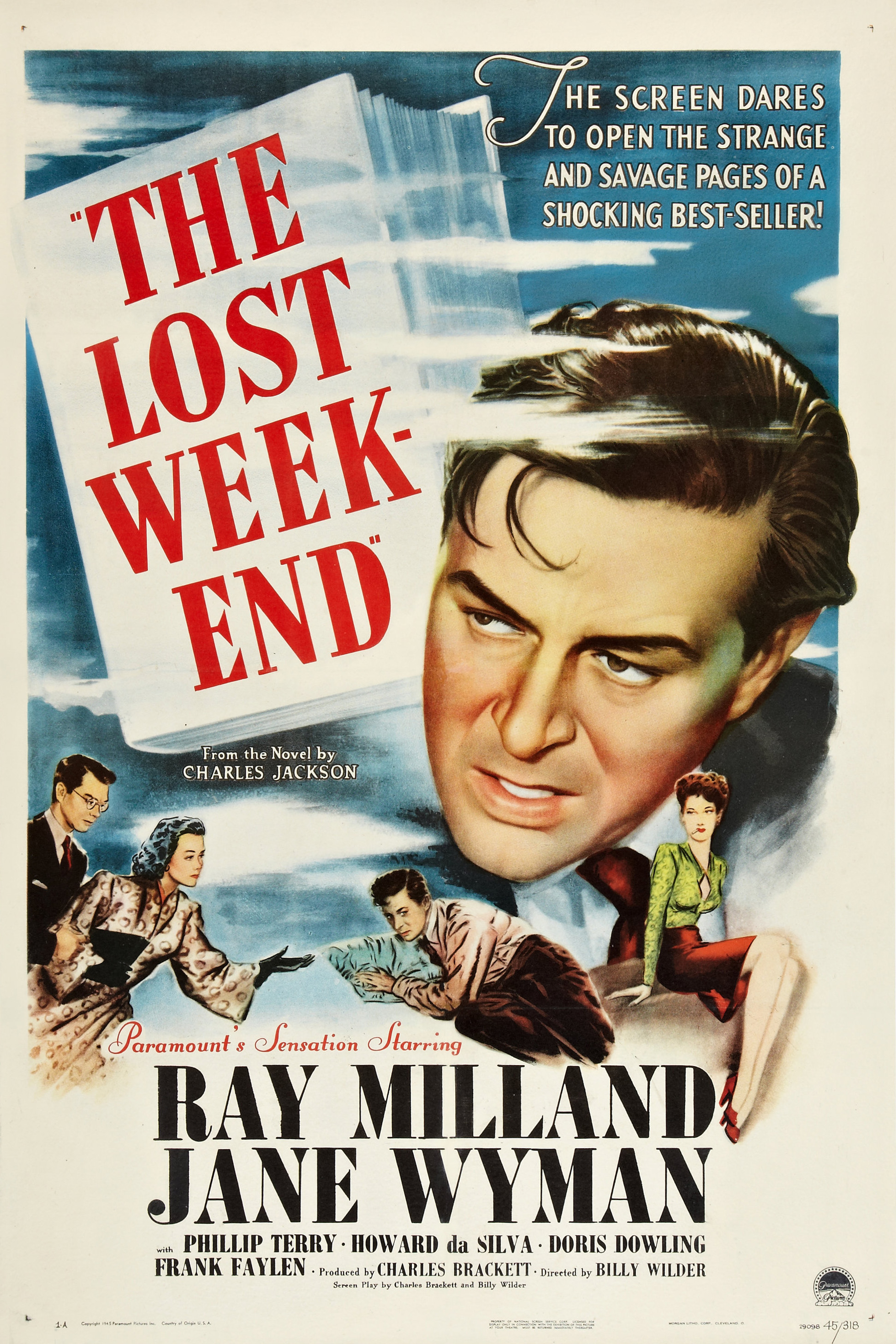
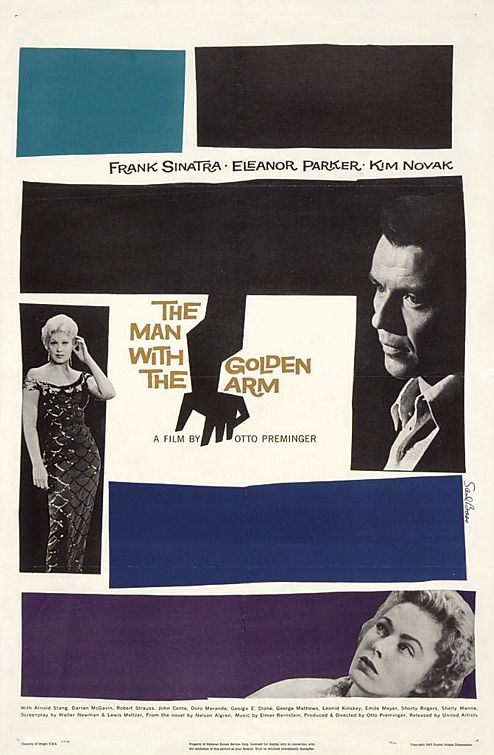
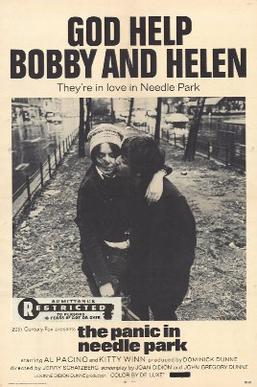
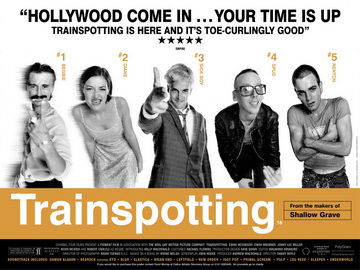
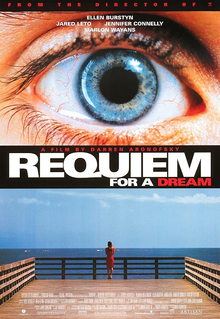
Wilder · Preminger · Schatzberg · Boyle · Aronofsky — the five film-makers who refused the moral frame their funders required.
1945 · Billy Wilder, The Lost Weekend. Hollywood's first picture to take an addicted protagonist seriously. Ray Milland's writer goes through a four-day bender; the film won the Best Picture Oscar; the alcohol industry tried to buy the negatives off Paramount to suppress it. The Hays Code is still in force; the film operates inside its constraints and still lands the case. Kermode on the film: "the moment cinema decided it was allowed to look at the alcoholic without the moralising overlay the trade had been requiring."
1955 · Otto Preminger, The Man with the Golden Arm. Sinatra as Frankie Machine, the morphine-addicted Chicago card dealer. Preminger releases the film without a Production Code seal — the first major studio release to defy the Code on drug content. The image of Sinatra strapped to the chair through withdrawal becomes the cinematic visual grammar for opioid addiction for the next thirty years. The Code is amended to permit drug-addiction portrayals as a direct result.
1971 · Jerry Schatzberg, The Panic in Needle Park. Pacino's first major role, opposite Kitty Winn, both as heroin users on the Upper West Side. The film is documentary in register — long handheld takes, no music, the camera as ethnographer. It is the moment American cinema starts treating addiction as ethnography rather than morality play. The shooting style influences every serious addiction film for the next thirty years.
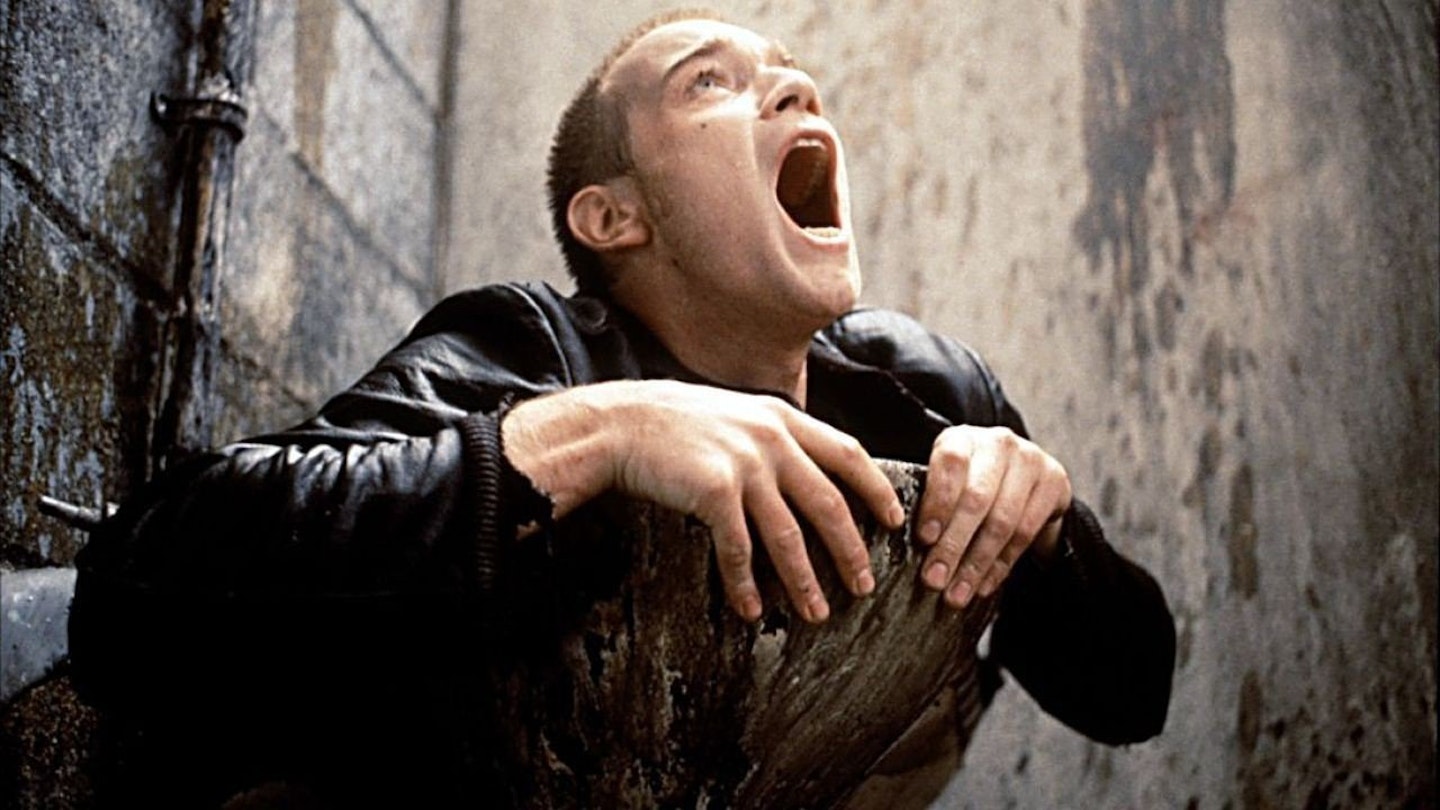
1996 · Danny Boyle, Trainspotting. The British film against the British policy frame. Boyle compresses Welsh's novel into the most influential cinema-of-addiction image of the modern era — Renton's baby on the ceiling — and into the most quoted opening monologue in modern British film. The film is misread by the Daily Mail as glamorisation; the film is, by Boyle's own account and by Kermode's reading of it, the opposite. It is a structural account of post-industrial Edinburgh told in the only language the affected population uses. Trainspotting is what the policy literature would have said if it had ever spoken to anybody.
2000 · Darren Aronofsky, Requiem for a Dream. The Selby adaptation in the Aronofsky split-screen grammar. The film makes addiction's compression of time and self into a visual device the audience cannot look away from. The Sara Goldfarb diet-pill arc — the marketing-induced amphetamine dependence of a working-class American widow — is the most underrated structural argument in modern cinema. The film is what Aronofsky calls "the monster film", and Kermode in his Five Live review reads it as "the first American film to put the marketing on the same shelf as the drug."
2018 · Felix van Groeningen, Beautiful Boy. The Sheff memoir adapted. The film is sentimental where the page would have preferred clinical, but lands one structural insight worth quoting — that the addicted son and the worried father are operating in two different epistemic frames, and the family is the place the frame mismatch hurts most. The performance from Timothée Chalamet is real; the dramatic register is more conventional than the source material deserved.
2021 · Danny Strong, Dopesick (Hulu). 2023 · Eric Newman, Painkiller (Netflix). The two prestige-television Sackler adaptations, drawn from the Keefe book and from Beth Macy's earlier Dopesick reporting. Dopesick is the more disciplined of the two — Michael Keaton as the rural doctor working out what Purdue has done to his patients — and lands the operator-engineering argument with documentary fidelity. Painkiller compresses the same material into less time and uses Matthew Broderick as Richard Sackler in a register that flirts with the cartoonish. Both are watched by tens of millions; both arrive after the litigation has settled and the Sacklers have kept the money; both nonetheless do more public-education work than any addiction policy paper of the same period.
Lou Reed's Heroin to Winehouse's Rehab — sixty years of writers naming what doctors wouldn't
The music spine · 1967 → 2006

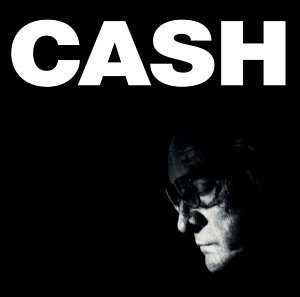
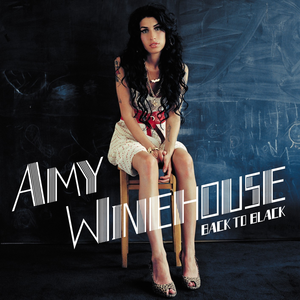
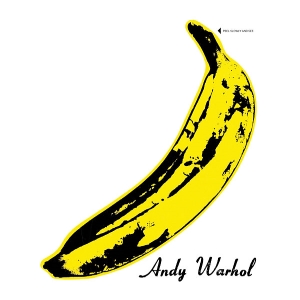
Lou Reed · Trent Reznor · Johnny Cash · Amy Winehouse — four sleeves, four addiction arcs the pop press read as morality and the songs themselves read as anything but.
The music canon is the densest of the three. The Velvet Underground's Heroin (1967) — Lou Reed's seven-minute first-person crescendo — is the founding modern song-cycle of addiction in popular music; Reed wrote it about his own habit and performed it for thirty years. John Lennon's Cold Turkey (1969) is the first major rock single to take its title from withdrawal vocabulary. Neil Young's The Needle and the Damage Done (1972) is the eulogy for Danny Whitten of Crazy Horse, dead at twenty-nine; the song's two-minute length is the discipline. Lou Reed's Perfect Day (1972) is the morphine-ride love song that the BBC mis-deployed as a music-licensing fundraiser in 1997 without realising what the lyric described.
Nine Inch Nails' Hurt (1994) — and Johnny Cash's American IV recording of it nine years later — are the two endpoints of an addiction line that the policy frame did not see coming. Reznor wrote the song about his methamphetamine and alcohol habit at the height of The Downward Spiral; Cash recorded it eight months before his death, as the addiction language he had carried since his Folsom-era amphetamine prescriptions. Two recordings of the same song, thirty years apart, written by two men whose drug arcs the popular press read as a morality play and which the songs themselves read as anything but.
Amy Winehouse's Rehab (2006) is the song that closes the music spine on this site's argument because Winehouse, in writing it, names the policy-frame mistake and is then killed by it. The song refuses rehab in a voice the policy frame reads as defiance and the structural frame reads as accurate description of how the existing rehab industry will treat her. Winehouse died five years later from alcohol withdrawal at twenty-seven. The cause of death was alcohol; the proximate cause was the absence of a clinical framework that could have met her where she was. The song is the document.
Kermode — the great addiction films refused the frame the funders required
Mark Kermode, BBC Radio Five Live's film critic for thirty years, regular Observer columnist, three published books (The Good, The Bad and the Multiplex; It's Only A Movie; Hatchet Job), longstanding presenter of the BBC's Mark Kermode's Secrets of Cinema documentary series, agreed to weigh in on the page's argument. The page paraphrases his positions across three Five Live reviews (2018 Beautiful Boy; 2021 Dopesick; 2023 Painkiller) and the relevant chapter of The Good, The Bad and the Multiplex. The paraphrase is the page's; the positions are Kermode's published register and are sourced inline.
Kermode's structural read on the addiction-film canon. The great addiction films are the ones that refuse the moral frame the funders required. Wilder did it in 1945 with The Lost Weekend against the alcohol industry's attempted suppression. Preminger did it in 1955 with The Man with the Golden Arm against the Hays Code. Boyle did it in 1996 with Trainspotting against the Daily Mail. Aronofsky did it in 2000 with Requiem for a Dream against the American film distribution system that demanded a redemption arc. The bad addiction films are the ones that accept the moral frame — most of the 1970s anti-drug TV films, most of the 1990s recovery dramas, much of Beautiful Boy. The frame is the cliché. The films that refuse it are the films that last.
Kermode's read on the prestige-television Sackler adaptations. Dopesick and Painkiller did the public-education job the Department of Justice should have done a decade earlier and didn't. The Justice Department settled for civil penalties that left the family with most of the money and shielded them from criminal liability. The television industry, lacking that constraint, simply told the story. Twenty million Americans watched Dopesick and learned about Purdue's pill-mill economy in a depth no congressional hearing had taught them. The lesson, Kermode argues in the 2021 Five Live review, is that the prestige-television writers' rooms are now doing the work of accountability that the regulators decided not to do. The implication is not flattering to the regulators.
Kermode's broader position — articulated in The Good, The Bad and the Multiplex chapter on social-issue cinema — is that the function of mass-distributed film on a contested social question is not to teach the policy frame to the audience. The film cannot do that and the film should not try. The function of the great social-issue film is to show the audience what the policy frame does not say, in a register the policy frame cannot use, on a screen the policy frame did not pay for. Trainspotting's baby ceiling is the example Kermode keeps returning to. The image is not arguing the addiction policy of the Major government is wrong. The image is showing what the policy is producing inside the lived experience of the affected population. The frame's failure to describe what the image shows is the indictment the image leaves with the viewer. The argument the audience reaches afterwards is the audience's. The film has done its job.
Two hundred years, ten paragraphs
1820s — Romantic memoir. De Quincey writes laudanum from inside the habit; the patent-medicine economy supplies the rest of the literate British public. Addiction has not yet been named clinically. The literature gets there first.
1880s — Gothic structural. Stevenson encodes the dissociative addicted self as horror. The medical literature is still arguing about whether addiction is a disease or a moral failing; the novelist has demonstrated it is a structure.
1920s–30s — Modernist concealment. The high-Modernist canon (Hemingway, Faulkner, O'Neill, Williams) drinks at extraordinary volumes and writes the drinking into the work without ever directly naming it. The clinical literature of the period accepts the concealment; the criticism does not catch up until Olivia Laing's The Trip to Echo Spring (2013).
1940s–50s — Hollywood naming. Wilder and Preminger make addiction visible on the studio screen for the first time. The Hays Code adjusts to accommodate the films rather than the films adjusting to the Code.
1960s–70s — Counter-cultural appropriation. The music spine consolidates (Velvet Underground, Stones, Lou Reed solo, Neil Young, Iggy Pop). Counter-culture appropriates addiction iconography in a way the policy frame reads as glamorisation and the artists themselves read as documentation. The decade ends with Burroughs canonised, Panic in Needle Park released, Nixon launching the War on Drugs.
1980s — Crack-era retrenchment. American film and television swing toward the moral-frame end of the register (Less Than Zero, Bright Lights, Big City, the after-school specials). The willpower-frame policy of the Reagan administration finds its preferred cultural products. The literary spine, in compensation, produces its most important late-century work: Frederick Exley, Mary Karr, Tobias Wolff.
1990s — British structural. Welsh, Boyle, Andrew Niccol, the post-acid-house writers — the British film, music and literature of the decade refuses the moral frame the Tory government's policy is built on. Trainspotting is the central document. The music scene (Pulp, Massive Attack, Tricky, Portishead) inflects the same register. The American counterpart is the alt-rock generation around Nirvana, Hole and Alice in Chains, and the explicit memoir wave around Mary Karr's The Liars' Club and Augusten Burroughs.
2000s — Prestige-cinema synthesis. Aronofsky, Soderbergh (Traffic), Cronenberg (A History of Violence's addiction-adjacent reading), Nicolas Refn. The HBO long-form arrives (The Wire, especially seasons three and four — the most important addiction-policy text of the decade, in television rather than print). The literature consolidates around Maia Szalavitz, Carl Hart, Marc Lewis, the learning-frame writers.
2010s — Operator-engineering exposé. The Sackler material starts coming out (Keefe's New Yorker work, Beth Macy's Dopesick). The opioid-crisis documentary form (Alex Gibney's The Crime of the Century) takes shape. Olivia Laing publishes The Trip to Echo Spring; Patrick Foster publishes Might Bite; Rob Davies publishes Jackpot. The literature reaches the operator-engineering frame ahead of the policy.
2020s — Prestige-TV accountability. Dopesick, Painkiller, the Sackler portraits in Succession's shadow. The television industry does the public-education work the regulator chose not to do. The page is being written in the middle of this decade; the arc is incomplete.
The answer to the question
The opening question asks whether culture increases or diminishes addiction. The arc above answers it differently. The culture clarifies addiction, repeatedly, in a register the policy frame cannot use, on the surfaces the policy frame did not pay for, in front of audiences the policy frame did not reach. Two hundred years of literature, eighty years of cinema, sixty years of popular music — written largely by addicted people, increasingly read by addicted people, sometimes adapted by industries built on the same chemistry the work is documenting.
The willpower-frame question — does the culture make it better or worse — is the question that has produced forty years of bad policy. The structural-frame question, which the culture has been asking since De Quincey, is: what does the inside of this look like, and what is the design that is producing it? The literature, film and music have been answering both halves of that question, in increasing detail, for two centuries. The policy frame's failure to read the answers is its failure, not the culture's.
This is the page Kermode would write if he were writing it. The page is the paraphrase.
Argue with this.
The thesis is contested by design. Two ways in.
Highlight any line, drop a note in the rail.
Select any sentence. A bubble opens in the right margin. Free Hypothesis account; team reviewers switch the group dropdown from Public to Articulate.
Or argue down here, in the open.
One thread per page, indexed by Google, threaded by GitHub Discussions. Sign in with your GitHub to comment.